
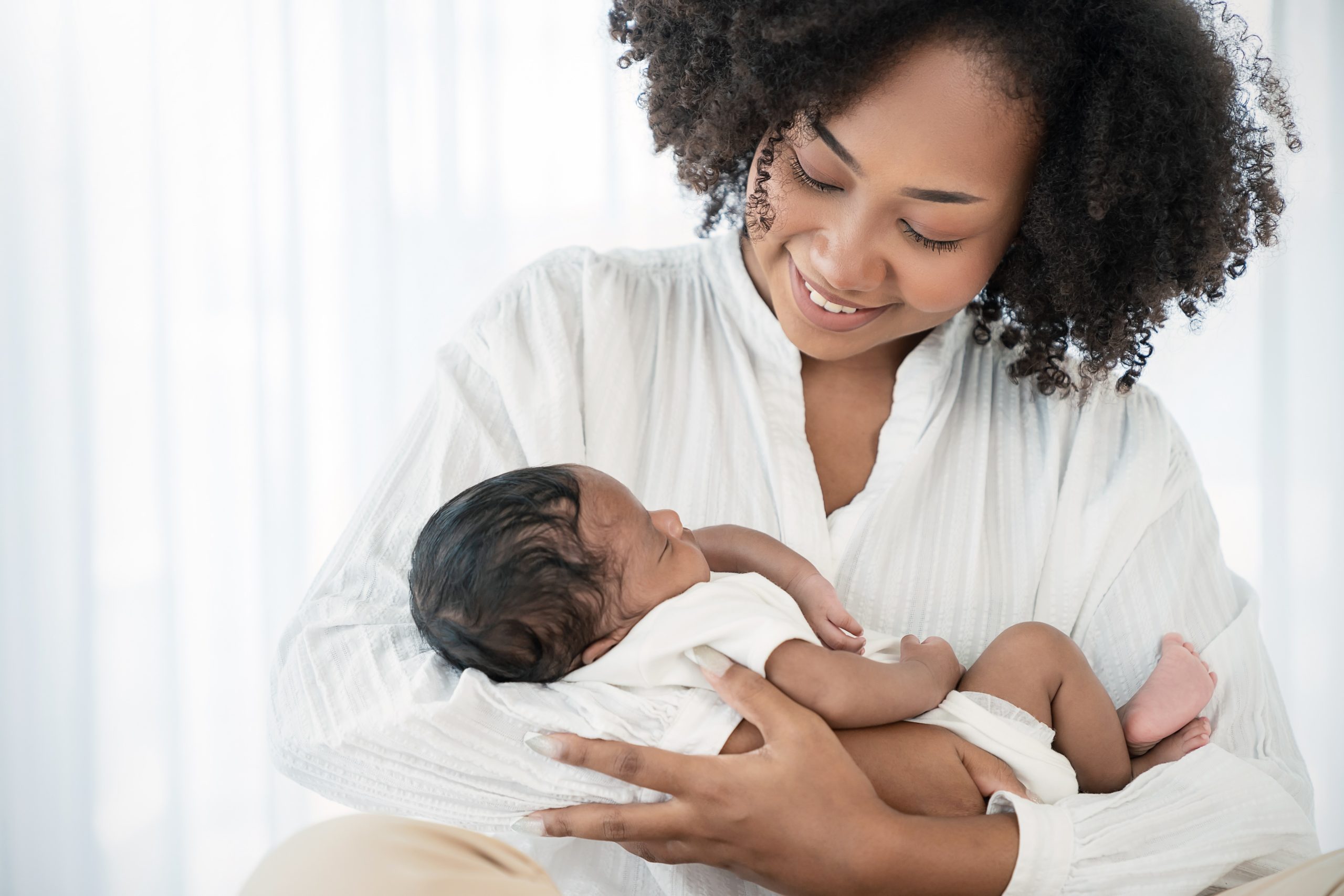
The Fourth Trimester (Weeks 1–12): A Real-World Guide to Healing, Bonding, and Getting the Help You Deserve
For 40+ weeks, your body works tirelessly—growing, carrying, and preparing for birth. Labor and delivery push your strength to its limits, both physically and emotionally. Then, just as the focus shifts to your newborn, you begin your own recovery journey. This critical phase of healing and adjustment, known as the fourth trimester, deserves just as much care and attention.
The fourth trimester refers to the first 12 weeks after giving birth, a time of immense physical, emotional, and hormonal change. It’s when your baby is adjusting to life outside the womb, and you’re healing, learning, and redefining your sense of self. These weeks are every bit as important as pregnancy itself, and understanding what to expect can help you heal more confidently and ask for the support you need.
What Is the Fourth Trimester?
You may have previously heard the term and wondered, “What is the fourth trimester?” Think of it as the continuation of pregnancy, just wth the baby outside your body. The fourth trimester recognizes that both you and your newborn are still in a period of transition. Your baby’s still maturing, and your body is working to recover, rebalance hormones, and establish new patterns.
During the first 12 weeks postpartum recovery, your body is still experiencing dramatic changes. Your uterus is shrinking, your hormones are recalibrating, and your emotional state can fluctuate daily. For your baby, this is the “newborn adjustment period,” when they’re learning to regulate sleep, feeding, and comfort.
This phase also sets the foundation for long-term bonding, fourth-trimester mental health, and infant development. Research shows that supportive postpartum care improves recovery outcomes and reduces the risk of depression and anxiety.
Key Physical and Emotional Changes for Parents
In the early weeks, your body and mind are in recovery mode. You may experience:
- Vaginal bleeding for up to six weeks
- Perineal soreness or C-section incision discomfort
- Breast engorgement or nipple tenderness
- Hormonal shifts that trigger night sweats or mood swings
- Fatigue from sleep disruption and nighttime feedings
- Abdominal and pelvic floor weakness
- Emotional ups and downs, from joy to tearfulness
It’s a lot, but knowing these changes are normal helps you focus on healing instead of worrying that something is “wrong.”
Physical Recovery During Weeks 0–12
Healing after childbirth looks different for everyone. Some days you may feel almost yourself; others, you may be sore, emotional, or utterly exhausted. The goal isn’t perfection—it’s gradual recovery and patience with your body.
Vaginal Birth
If you had a vaginal delivery, you’ll likely notice tenderness or swelling in your perineum, especially if you tore or had an episiotomy. Sitz baths, cool compresses, and pain relievers approved by your provider can help. Gentle pelvic floor exercises can improve circulation and reduce discomfort over time.
Expect postpartum bleeding for four to six weeks. It will change from bright red to pink, then brownish or yellow as healing continues. Use pads rather than tampons until your provider says it’s safe.
Pay attention to pelvic floor recovery. Leaking urine when you cough or sneeze is common but should improve. Pelvic floor therapy or a gentle core and pelvic floor postpartum plan can help rebuild strength.
Cesarean Section (C-Section)
If you delivered by C-section, your body needs extra time. Focus on C-section healing tips, such as keeping your incision clean and dry, avoiding lifting anything heavier than your baby, and watching for redness or drainage. Support your abdomen when coughing or laughing, and wear loose clothing to prevent irritation.
Because you’ve had surgery, you may also feel more tired or emotional—give yourself grace. Gentle walking helps circulation, but don’t push yourself too soon.
When to Call Your Doctor
Postpartum recovery comes with expected discomfort, but there are some signs you should never ignore. Contact your doctor immediately if you experience:
- Heavy bleeding (soaking more than one pad an hour)
- Large clots or foul-smelling discharge
- Fever over 100.4°F (38°C)
- Severe headache or vision changes
- Pain or swelling in one leg
- Chest pain or shortness of breath
- Signs of infection at your incision or stitches
If you ever feel dizzy, confused, or like something “just isn’t right,” trust your instincts and reach out. Serious complications like postpartum hemorrhage or preeclampsia can occur after delivery; prompt care saves lives.
Postpartum Mental Health
Your emotional health is as vital as your physical health. Hormonal changes, sleep deprivation, and life adjustments can cause mood fluctuations in almost everyone. Recognizing early signs of distress ensures you get help before things get worse.
Mental health conditions that arise after birth fall under postpartum mood and anxiety disorders (PMADs), including depression, anxiety, obsessive-compulsive disorder (OCD), and, rarely, psychosis. These are medical conditions, not personality flaws.
Baby Blues vs. Postpartum Depression
Up to 80 percent of new parents experience the “baby blues”, which include tearfulness, irritability, and overwhelm beginning a few days after birth and improving within two weeks. If these feelings persist beyond that, you may be facing postpartum depression (PPD), which affects around 1 in 8 women.
Symptoms of PPD can include:
- Persistent sadness or emptiness
- Loss of interest in things you once enjoyed
- Difficulty bonding with your baby
- Changes in appetite or sleep
- Feelings of guilt, worthlessness, or hopelessness
PPD is not your fault. If you ever feel you might harm yourself or your baby, call 988 (the Suicide and Crisis Lifeline) or go to the nearest emergency department. Help is available 24/7.
What Is Postpartum Anxiety?
While PPD gets more attention, anxiety is equally common. You might notice racing thoughts, constant worry about your baby’s safety, or physical symptoms like heart palpitations. Postpartum anxiety differs from normal new-parent concern; it’s intense and interferes with daily life.
If these symptoms persist, reach out to your OB-GYN, midwife, or a mental health specialist trained in perinatal care. Early treatment, therapy, and sometimes medication can make a world of difference.
Postpartum Appointments
After all the attention during pregnancy, many new parents are surprised at how few medical check-ins happen afterward. Postpartum care should be an ongoing process rather than a single appointment.
Schedule your postpartum checkup as early as three weeks after delivery, with a full 6-week postpartum visit for physical and emotional follow-up.
The 6-Week Postpartum Visit
Traditionally, the 6-week postnatal checkup is a comprehensive visit with your provider that covers your physical, emotional, and mental recovery. While the overall appointment can vary, it typically includes:
- Check your uterus, perineum, or incision for healing
- Discuss postpartum bleeding and pelvic floor strength
- Review mood and mental health, including a PPD screening
- Assess breastfeeding or chest-feeding progress, such as potential issues with mastitis
- Talk about contraception options, since fertility can return before your first period
- Address any pain, bladder, or bowel concerns
This visit is your chance to ask questions, so gather your thoughts and bring a list. Ask about postpartum body changes, weeks 1 to 12, safe exercise, and signs that your recovery is on track.
Partners, Family, and Your Village
You’re not meant to do the fourth trimester alone. Support is essential for both your recovery and your baby’s adjustment. Parents who receive emotional and practical help experience lower stress and faster healing.
How to Ask for Help
Start by naming what you need. Do you want someone to fold laundry, watch the baby while you nap, or simply listen? Remember, people often want to help but don’t know how.
Use your support network and, if necessary, seek new places to find your community, such as:
- Online communities for new parents
- Local postpartum or lactation groups
- Postpartum resources and support groups listed by organizations like Postpartum Support International (PSI)
- Your OB-GYN or primary-care office, which can refer you to specialists
- Friends and family who can assist with meals, errands, or child care
Remember: accepting help isn’t weakness—it’s self-care after childbirth. The early weeks are not about “bouncing back”; they’re about building a foundation for long-term wellness.
Postpartum Body and Physical Healing Tips
By week 4 or 5, you may start to notice a gradual improvement in your energy and comfort. Still, recovery takes time, typically up to 12 weeks.
Postpartum healing tips for the first three months
- Rest whenever you can
- Hydrate and eat nutrient-dense snacks.
- Take slow walks to boost circulation (confirm with your provider that you are cleared to exercise after giving birth)
- Avoid heavy lifting or intense exercise until your provider says it is ok.
- Use a supportive belly wrap only if comfortable.
- Practice gentle breathing and pelvic floor engagement.
- Manage pain with prescribed medication or approved over-the-counter options.
If bleeding increases, your stitches reopen, or pain worsens, contact your healthcare provider. These may be signs your body needs more rest or medical attention.
Big Changes During the Fourth Trimester
We talk a lot about the “miracle of birth” (and it is a miracle!), but becoming a parent is a transition that can be physically, emotionally, and socially exhausting. And a large part of that transition takes place during the fourth trimester. The work of recovery, bonding, and growth doesn’t stop when the baby arrives; it begins.
You’ll navigate sleepless nights, hormonal shifts, and moments of doubt, but you’ll also experience new depths of love and resilience. The fourth trimester isn’t about doing everything perfectly; it’s about caring for yourself with the same compassion you give your baby.
If at any point you’re unsure about your recovery or emotional well-being, reach out. Request an appointment with your Genesis OBGYN for personalized postpartum care. Because taking care of you is just as vital as taking care of your new baby.


