
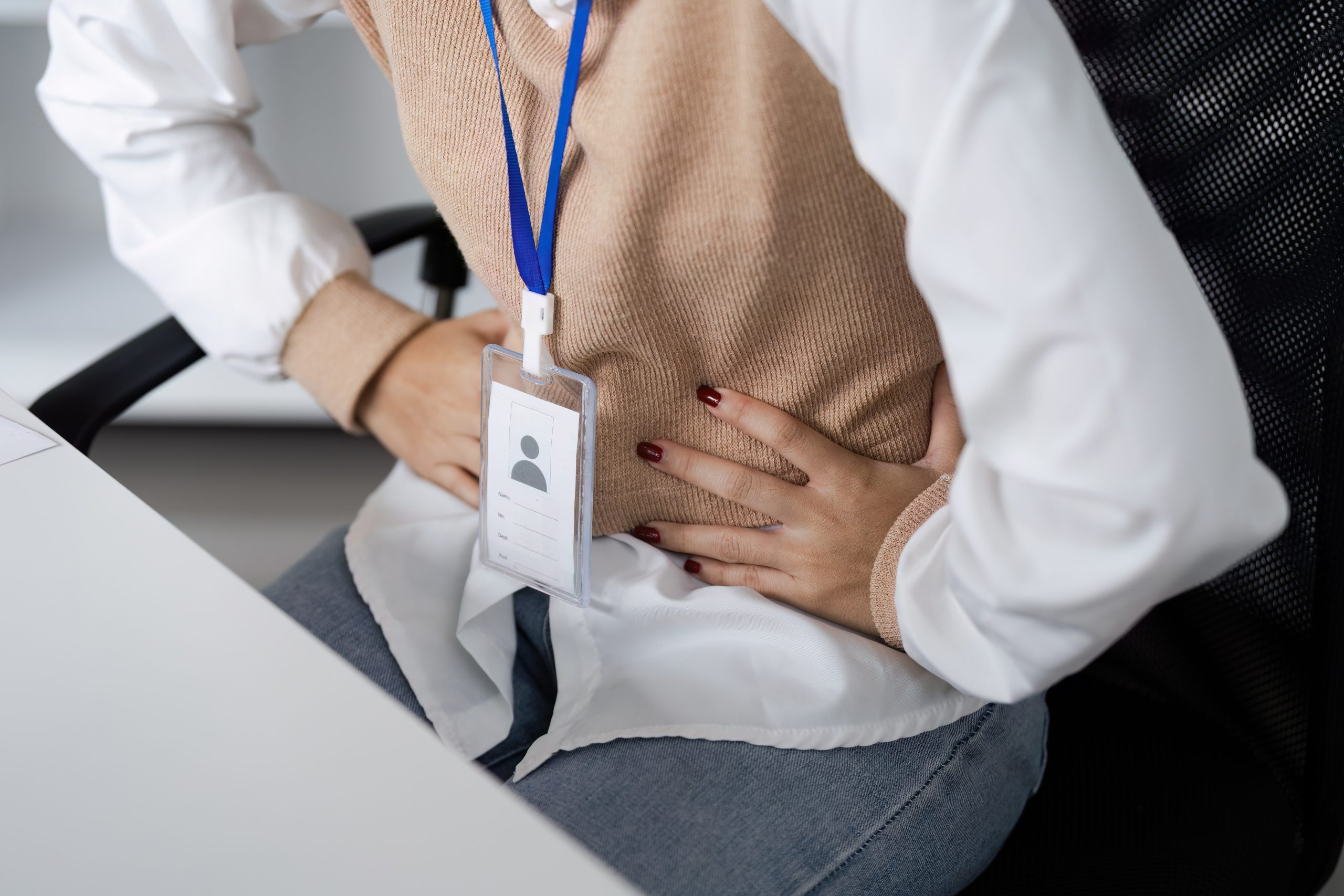
Do Fibroids Cause Weight Gain?
Dear Doctor,
I’m in my late 30s and have recently noticed that I feel bloated, especially in my midsection, almost like I’m a few months pregnant, but I’m definitely not. I’ve also been feeling more tired than usual and have started gaining weight, even though my eating habits haven’t changed.
A friend mentioned she had similar problems and found out it was uterine fibroids, so I am wondering: Can fibroids really cause weight gain? I know several women in my family have them, but I’ve never known them to grow large enough to actually be visible.
If I do have fibroids, could they be the reason I’m gaining weight and feeling so exhausted? I’ve also had heavier periods lately and some back pain. How do I know if I have fibroids? And if they are causing the weight gain, is there anything I can do to treat them or lose the weight?
Sincerely,
Confused About the Bloat
Hello Confused About the Bloat,
Uterine fibroids are very common; in fact, 20 to 80 percent of women will develop them by the time they reach age 50, and they’re most common in women in their 40s and early 50s.
Before we dive into how big they can grow, what are uterine fibroids? Fibroids are non-cancerous tumors made of muscle and connective tissue that can develop in or on the uterus. While they’re usually benign, their size, number, and location can all impact your body in different ways.
They can cause bloating, constipation, frequent urination, and back or leg pain.
You may be more at risk if you have a family history of fibroids, have never been pregnant, or have higher estrogen levels. They are also more common in African-American women.
Now, to your question about weight gain—yes, fibroids can, indirectly, cause weight gain.
Weight gain typically occurs when fibroids grow large enough to cause abdominal distension, where your stomach appears to stretch due to the pressure. A single fibroid or a cluster of them can weigh several pounds and push against nearby organs, which may explain the “pregnant belly” appearance you described.
Large fibroids can sometimes be the size of grapefruits or even small melons!
Fibroids can also cause heavy menstrual bleeding, which often leads to anemia and fatigue. When you’re exhausted, eating healthy and exercising regularly can be challenging.
So while the fibroid itself may contribute to your weight, the side effects of fibroids also play a role in weight changes.
There are several uterine fibroid treatment options. Depending on the size and symptoms, fibroids can be managed with medications, hormone therapy, non-invasive procedures, or surgery. Losing weight may also help shrink fibroids, as fat cells produce estrogen, which fuels their growth.
Tips for managing fibroids and weight:
- Eat more fiber-rich foods and colorful fruits and vegetables
- Take iron and vitamin D supplements if recommended
- Avoid high-estrogen foods like red meat and soy
- Stay active with gentle, regular exercise
- Talk to your Genesis OB-GYN about treatment options tailored to your needs
If you’re experiencing symptoms like heavy periods and pelvic pain, and have a sudden noticeable abdominal bulge, I encourage you to make an appointment.
An ultrasound or pelvic MRI can help confirm whether fibroids are the cause, and we can work together to create a treatment and wellness plan that helps you feel better.
Warmly,
Dr. Anna Nelson-Moseke
OB/GYN, Genesis Women’s Health
Best,
Anna Nelson-Moseke, MD, FACOG, is a board-certified OB/GYN practicing at Pueblo in Tucson, AZ.


